
Subtotal $0.00
A Comprehensive Guide
Efficient and reliable packaging is crucial for maintaining product quality, ensuring safe transport, and meeting consumer expectations in any business involved in the production and distribution of goods. Whether you’re aiming to streamline operations, increase throughput, or reduce costs, selecting the right packaging machinery is key to your success. In this guide, we will outline the essential factors to consider when choosing packaging equipment for your business.
1.Understand Your Packaging Needs
Before selecting packaging machinery, evaluate your specific packaging requirements. Consider whether you handle high-volume production or small batches and the types of products you package, such as food, electronics, or fragile items. Factors such as the nature of your products, production speed, and level of automation required will significantly influence your machinery choice.
Key considerations include:
- Product size and shape
- Packaging material (e.g., plastic, glass, paper)
- Desired packaging format (e.g., bottles, boxes, pouches)
- Production speed and volume
2.Determine the Type of Packaging Equipment You Need
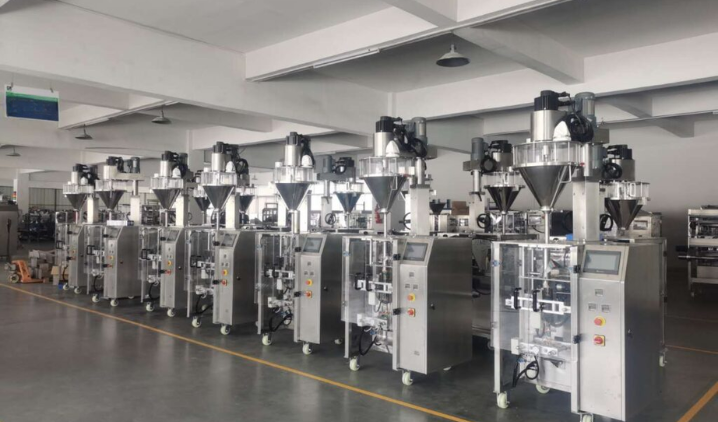
Packaging equipment comes in various forms, each designed to handle different aspects of the packaging process. Depending on your needs, you may require machinery that can fill, seal, label, or palletize products.
Common types of packaging machines:
- Filling Machines: Fill containers with liquids, powders, or granular materials.
- Sealing Machines: Seal packages to ensure product safety and integrity.
- Labeling Machines: Apply labels to packages, including barcodes and branding.
- Case Packing Machines: Automatically pack products into cases or cartons.
- Palletizing Machines: Stack and organize finished products onto pallets for transport.
3.Assess Speed and Efficiency
The speed and efficiency of packaging machinery are crucial for meeting production deadlines. It is essential to find a balance between high-speed operations and maintaining packaging quality. The machinery should align with your production goals, whether for small batches or high-volume manufacturing.
Factors to assess:
- Cycle time (duration of one packaging cycle)
- Throughput (number of products packaged per minute/hour)
- Flexibility (ability to switch between different product types or packaging formats)
4.Evaluate the Level of Automation
Automation can enhance consistency, lower labor costs, and minimize human error. While fully automated systems often require a higher initial investment, they tend to offer faster production rates and lower operational costs in the long run. Conversely, semi-automatic machines may be a more cost-effective solution for smaller operations or businesses with limited space.
Consider automation options:
- Fully automated machines (best for high-volume production)
- Semi-automated systems (suitable for moderate production with some manual intervention)
- Manual machines (typically used for small businesses with lower production volumes)
5.Ensure Compatibility with Your Existing Workflow
Select packaging machinery that integrates smoothly into your existing production line to maximize efficiency. Whether upgrading current equipment or establishing a new packaging system, ensure that the new machine works well with other machines and processes.
Key points to consider:
- Space requirements and layout compatibility
- Compatibility with existing conveyors, filling stations, or sealing systems
- Ease of integration with your inventory or ERP system
6.Prioritize Durability and Maintenance
Since packaging machinery is a long-term investment, durability and reliability should be top priorities. Choose machines that are built to last and can handle the demands of your production environment. Additionally, consider the availability of spare parts and maintenance frequency to minimize downtime.
Things to keep in mind:
- Machine construction materials (e.g., stainless steel for food-grade environments)
- Warranty and support options
- Maintenance requirements and ease of servicing
7.Consider Energy Efficiency and Costs
Energy consumption is an important factor in selecting packaging machinery. More energy-efficient machines reduce operating costs and help your business become more environmentally friendly. Always factor in the total cost of ownership (TCO), which includes the purchase price, energy consumption, and maintenance costs.
Cost-related considerations:
- Initial investment vs. long-term savings
- Energy efficiency ratings
- Potential cost reductions in terms of labor and material waste
8.Supplier Reputation and Support
Choosing the right supplier for your packaging machinery is just as critical as selecting the machinery itself. A reliable supplier will provide not only quality equipment but also necessary support and service.
Conclusion:
In the fast-paced world of packaging, selecting the right machinery can significantly impact your business’s success. To make an informed decision, start by understanding your specific needs and evaluating the different options available. Consider factors such as automation, efficiency, and durability. Taking a holistic approach that balances cost, quality, and functionality is essential for optimizing your production process and improving your bottom line.
